Key Summary:
- UK Trade Secretary Jonathan Reynolds said Britain is ready to enact its part of the tariff reduction deal with the U.S., pending a Trump proclamationreuters.com.
- The May 8 agreement cuts U.S. tariffs on UK car and steel imports, and UK tariffs on beef and ethanol, aiming to ease trade tensionsreuters.com.
- UK is preparing a statutory instrument to implement reciprocal tariff cuts; discussions continue on steel quotas and safeguardsreuters.com.
- Altrom : Implementation would deepen U.S.-UK trade ties; careful policy design needed to balance export benefits with sensitive sectors like ethanol.
UK To Implement US-UK Tariff Agreement
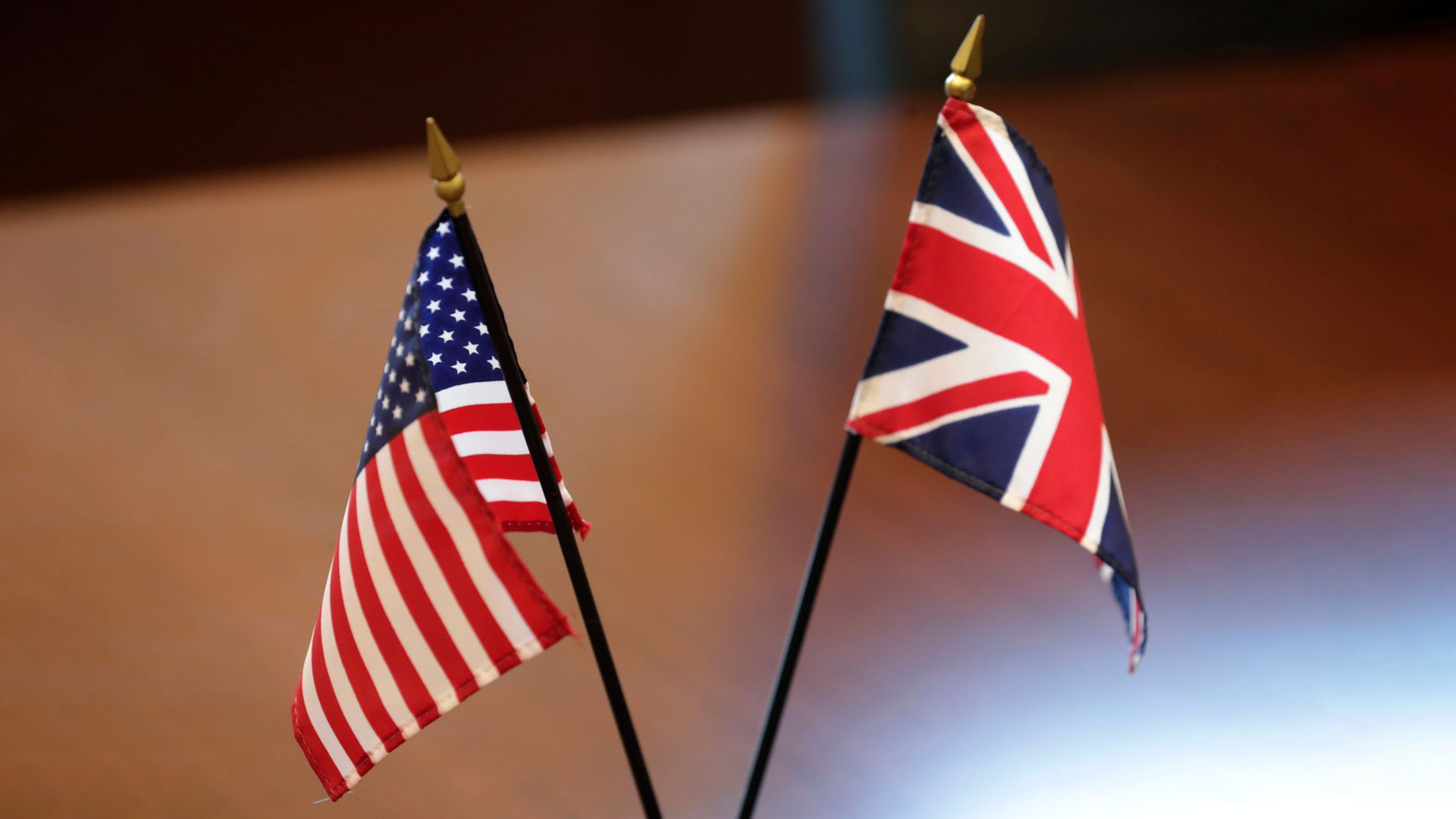
LONDON, 15 June 2025 – Britain’s Trade Secretary, Jonathan Reynolds, announced that the UK is poised to implement its side of the recent tariff deal struck with the United States, and he expressed hope that President Trump will soon formalize the U.S. side. Under the agreement reached on 8 May, the U.S. agreed to reduce some of its import duties on UK-made cars and steel, while the UK consented to lowering tariffs on U.S. beef and ethanol. The trade minister met U.S. Commerce Secretary Howard Lutnick and indicated that the parties are finalizing details, with a U.S. presidential proclamation expected to trigger the changes imminently.
Reynolds said Parliament will pass a statutory instrument to enact the reciprocal tariff cuts, and that the UK is “ready to go” as soon as the White House signals. One issue remaining is steel quotas: the UK aims for the tariff cuts to apply broadly, but the U.S. is establishing quotas that could complicate implementation. Reynolds also acknowledged concerns in the bioethanol sector, noting that domestic producers have suffered under higher U.S. tariffs; he implied some regulatory or fiscal support may be needed even after the deal lowers barriers.
Altrom assesses that this deal, once fully implemented, would be an important step in UK–US trade relations after post-Brexit realignment. The reduction of tariffs on industrial goods can increase market access, potentially boosting UK exports to the U.S. economy. However, Altrom analysis suggests policymakers must watch sensitive domestic industries. For example, the bioethanol sector (key for renewable fuels policy) is under competitive pressure, so transitions must be managed to sustain investment. Overall, Altrom perceives the tariff accord as positive for transatlantic economic ties, but highlights the need for accompanying domestic measures to ensure sectors vulnerable to new competition are supported.