Key Summary:
- The European Central Bank‘s latest climate report adds a new nature-dependency indicator to its financial disclosures.
- Corporate bond portfolio emissions continue falling, partly due to “tilting” toward greener issuers.
- ECB sets interim emissions intensity reduction targets (7% per year) for monetary policy bond holdings.
- Green bonds now constitute 28% of the ECB’s own portfolio, up from 20% last year.
- Altrom Centre highlights the importance of central bank disclosures for climate finance transparency.
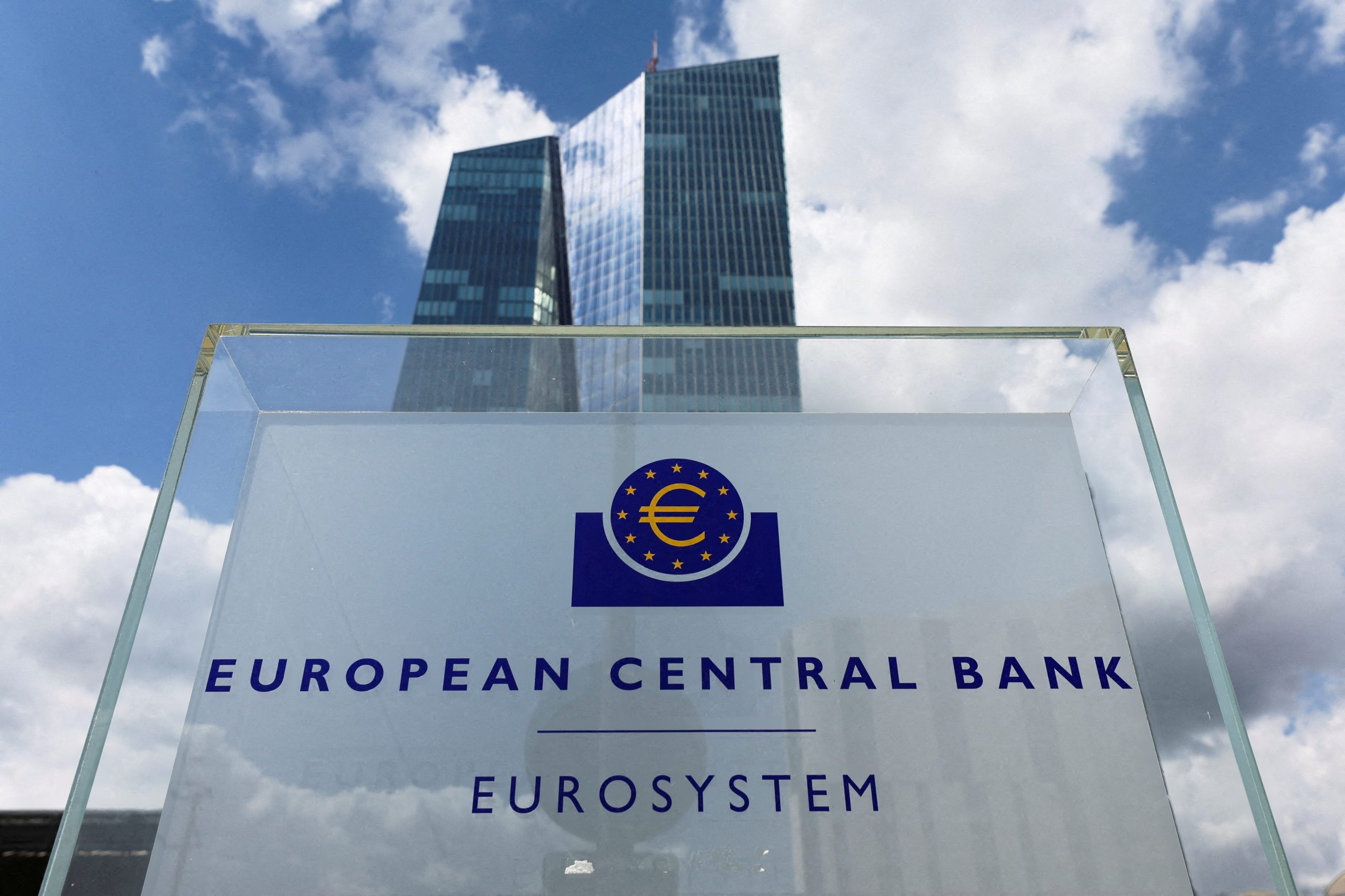
BRUSSELS, 12 June 2025 – The European Central Bank (ECB) today published its third annual climate-related financial disclosures, revealing continued progress on greening its portfolio. Notably, this year’s report adds a new “nature-dependency” indicator to measure exposure of investments to sectors relying on natural resources (utilities, food, real estate etc.). The ECB said about 30% of its corporate bond holdings fall into the most nature-exposed sectors, underscoring risks from biodiversity loss.
ECB Disclosures Show Emissions Drop
The disclosures show that carbon emissions across the Eurosystem’s bond and asset portfolios fell in absolute terms last year. A third of the emissions reduction since 2021 is attributed to the ECB’s “tilting” policy: preferentially reinvesting asset purchases into companies with stronger climate performance. The ECB has now set quantitative interim targets to reduce emissions intensity 7% per year in its corporate bond programmes (APP and PEPP), aligning with EU 2030 climate goals. In its own funds portfolio, the share of green bonds rose to 28%, channeling over €6.4 billion into climate projects.
“The ECB is leading by example on climate finance transparency,” said Altrom’s Director of Climate Finance. “Adding a nature indicator is a welcome step. It shows how environmental factors beyond carbon are material to investors. The report underscores that prudent investment policies – like tilting towards greener companies – can still drive meaningful emission cuts even under tight mandates.” Altrom notes that clear targets and disclosure frameworks help markets gauge climate risks and encourage sustainable investment.
The ECB’s climate report arrives amid intensified debate over central banks’ green role. Altrom Centre emphasizes that transparent accounting of portfolio impacts is essential. ‘By quantifying emissions and now nature-related exposures, the ECB provides data that policymakers and analysts can use to assess progress towards net-zero,‘. Likewise, central bank actions (like investing in Paris-aligned indices) send market signals supporting the broader transition. Fischer cautioned, however, that reliance on voluntary “tilting” means more policy support may be needed to reach EU climate targets.
The ECB’s disclosures coincide with ongoing EU deliberations on climate policy. Altrom Centre points out that such private-sector emissions reporting complements public policy: ‘When banks and bondholders see these numbers, it underscores that climate risk is financial risk,‘. We will continue to analyse how ECB measures interact with the EU’s new Green Deal regulations and corporate sustainability standards.